


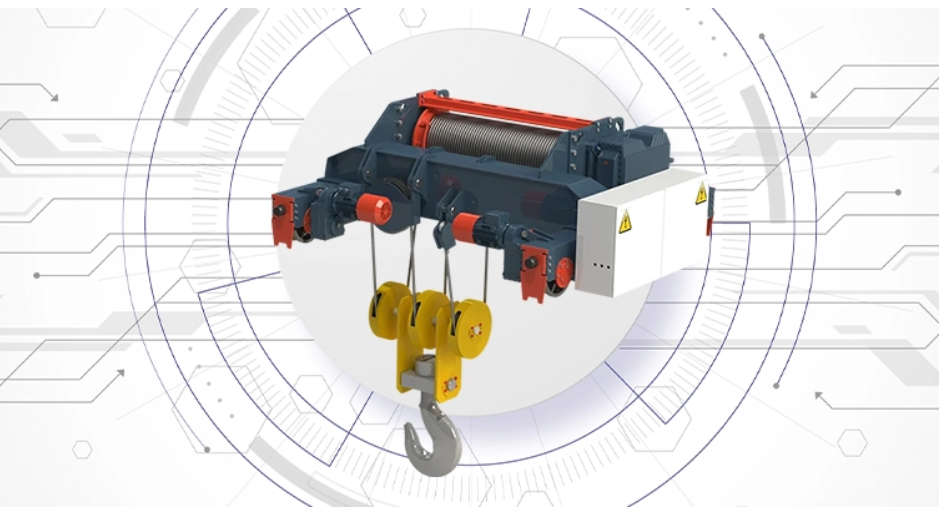
Energy Efficiency in Industrial Cranes: Factors Affecting Electricity Consumption and Energy-Saving Methods
Energy Efficiency in Industrial Cranes: Factors Affecting Electricity Consumption and Energy-Saving Methods
Energy Efficiency in Industrial Cranes
Industrial cranes play a vital role in manufacturing facilities, warehouses, logistics centers, steel plants, and heavy industrial environments. These systems enable the safe and efficient handling of heavy loads while supporting continuous production processes.
However, industrial cranes can consume significant amounts of electricity depending on their load capacity, operating frequency, travel distances, lifting height, and technical configuration. Improving energy efficiency helps businesses reduce operating costs, optimize production processes, and support more sustainable industrial operations.
At Eser Vinç, selecting the right crane configuration and incorporating modern control technologies can help businesses improve operational efficiency and achieve long-term performance.
1. What Is Energy Efficiency in Industrial Cranes?
Energy efficiency in industrial cranes refers to achieving the required lifting and transportation performance while minimizing energy consumption.
An energy-efficient crane uses its electrical and mechanical systems effectively, reduces unnecessary movements, and operates according to the actual requirements of the facility.
Energy efficiency depends on several factors, including:
Crane capacity and overall system design
Hoisting, cross-travel, and long-travel motor performance
Frequency inverter and motor control technologies
Load characteristics and operating frequency
Preventive maintenance and mechanical condition
Crane travel distances and production planning
Evaluating these factors helps businesses identify opportunities to reduce electricity consumption without compromising operational safety.
2. Factors Affecting Industrial Crane Electricity Consumption
Load Capacity and Operating Conditions
A crane's electricity consumption is influenced by the weight of the loads it handles and how frequently lifting operations take place. Facilities that perform frequent lifting cycles throughout the day may have different energy requirements from facilities with occasional lifting needs.
Selecting a crane based on actual operational requirements helps prevent unnecessary energy consumption and equipment oversizing.
Lifting Height and Travel Distance
The energy required for lifting operations increases with the height through which a load is raised. Similarly, longer horizontal travel distances can increase the energy demand of crane movement systems.
Optimizing the layout of production areas and planning efficient load-transfer routes can help reduce unnecessary movements and improve overall productivity.
Motor and Drive System Efficiency
Hoisting and travel mechanisms are among the main components affecting crane energy consumption. Modern motors and suitable drive systems can improve operating performance by matching motor speed and torque to the requirements of each movement.
Correctly selecting motors and drive equipment is therefore an important part of energy-efficient crane design.
3. How Do Frequency Inverters Improve Crane Energy Efficiency?
Frequency inverters, also known as variable frequency drives (VFDs), control motor speed by adjusting the frequency and voltage supplied to the motor.
In industrial crane applications, these systems can provide several benefits:
Controlled acceleration and deceleration: Reduces abrupt movements during crane operation.
Reduced mechanical stress: Helps limit unnecessary strain on motors, gearboxes, wheels, and other components.
Improved positioning accuracy: Supports more controlled load handling.
Potential energy savings: Allows motor speed to be adjusted according to operational requirements.
The actual energy savings depend on the crane design, operating cycle, load profile, and control configuration. A suitable engineering assessment is necessary to determine the benefits for each application.
4. Regenerative Braking and Energy Recovery Systems
During certain crane movements, the motor may operate as a generator, producing electrical energy during braking or lowering operations.
With a compatible regenerative drive system, some of this energy can be returned to the electrical supply or reused within the system, depending on the installation design.
Energy recovery may be particularly beneficial in applications involving frequent lifting and lowering cycles. However, its effectiveness depends on the duty cycle, system compatibility, and overall energy-management configuration.
Businesses considering regenerative technology should evaluate the expected energy savings alongside installation costs and maintenance requirements.
5. Energy Efficiency in Overhead Bridge Cranes
Overhead bridge cranes are widely used in manufacturing plants, workshops, warehouses, and industrial production facilities.
Their energy consumption is influenced by hoisting operations, trolley movement, bridge travel, motor selection, and the frequency of use.
The following practices can help improve energy efficiency:
Selecting an appropriate crane capacity for the intended application
Using efficient motors and suitable variable frequency drives
Optimizing crane travel routes
Avoiding unnecessary empty movements
Maintaining wheels, bearings, gearboxes, and braking systems
Reviewing operating cycles to identify energy-saving opportunities
A properly designed overhead bridge crane can support efficient material handling while helping businesses manage long-term operating costs.
6. Improving Energy Efficiency in Gantry Cranes
Gantry cranes are commonly used in outdoor storage areas, industrial yards, construction facilities, and applications where overhead building support is unavailable or unsuitable.
Their energy requirements depend on load capacity, travel distance, lifting frequency, environmental conditions, and the design of the drive systems.
Energy efficiency can be improved by selecting appropriate drive technologies, reducing unnecessary travel, maintaining mechanical components, and configuring control systems according to actual working conditions.
For outdoor installations, environmental factors such as temperature, dust, moisture, and wind exposure should also be considered when selecting electrical and mechanical equipment.
7. The Role of Preventive Maintenance in Energy Savings
Regular maintenance helps industrial cranes operate reliably and efficiently. Mechanical resistance, misalignment, worn components, and improperly adjusted braking systems can affect performance and increase energy demand.
A preventive maintenance program should include:
Inspecting motors and drive systems
Checking wheels, rails, bearings, and gearboxes
Monitoring braking performance
Checking electrical connections and control components
Lubricating components according to manufacturer recommendations
Identifying unusual noise, vibration, or overheating
Maintenance intervals should be determined according to the manufacturer's recommendations, operating conditions, and applicable safety requirements.
Preventive maintenance can help reduce unexpected downtime, extend equipment service life, and maintain consistent operating performance.
8. How Can Businesses Calculate Crane Energy Consumption?
Electricity consumption is generally measured in kilowatt-hours (kWh).
A simplified calculation is:
Energy consumption (kWh) = Power (kW) × Operating time (hours)
For example, if a crane system draws an average electrical power of 12 kW while operating for 5 hours, its estimated energy consumption during that operating period is:
12 kW × 5 hours = 60 kWh
This is a simplified example. Actual consumption varies with motor loading, idle periods, acceleration, braking, and the operating cycle.
For a more accurate assessment, businesses should evaluate the electricity consumption of the complete crane system over a representative operating period. Measuring actual energy use can help establish a baseline and determine whether proposed improvements deliver measurable results.
9. Choosing an Energy-Efficient Industrial Crane
Selecting the right crane is essential for balancing productivity, safety, and operating costs.
Before investing in a new industrial crane, businesses should evaluate:
Required lifting capacity and load characteristics
Lifting height and horizontal travel distances
Daily operating hours and lifting cycles
Required positioning accuracy
Environmental and installation conditions
Motor, drive, and control system specifications
Maintenance requirements and expected service life
A crane should be engineered for the specific application rather than selected on lifting capacity alone. A properly configured system can help reduce unnecessary movements, improve workflow, and support long-term operational efficiency.
Eser Vinç provides industrial crane solutions designed around different lifting requirements and working environments. Businesses can evaluate suitable crane configurations according to their facility layout, production processes, and technical needs.
10. The Future of Energy-Efficient Crane Technology
Industrial crane technology continues to evolve through automation, intelligent control systems, digital monitoring, and more advanced drive technologies.
Depending on the application, modern systems may support operating data collection, maintenance planning, movement optimization, and performance monitoring.
These technologies can help businesses identify inefficient operating patterns and make better-informed maintenance and investment decisions.
However, the benefits depend on the specific equipment, system integration, and quality of the collected data. A technical assessment is recommended before implementing major upgrades.
Frequently Asked Questions
What affects electricity consumption in industrial cranes?
Electricity consumption depends on lifting capacity, load weight, lifting height, travel distance, operating frequency, motor efficiency, and control system configuration.
How can industrial crane electricity consumption be reduced?
Businesses can evaluate variable frequency drives, efficient motors, optimized movement routes, preventive maintenance, and suitable crane sizing. The most effective solution depends on the application and operating cycle.
Do frequency inverters save energy in crane systems?
Frequency inverters can improve motor control and may reduce energy consumption in suitable applications. The actual savings depend on the crane's operating conditions and system design.
What is regenerative braking in industrial cranes?
Regenerative braking allows certain drive systems to recover energy during braking or lowering operations. Depending on the system configuration, this energy may be returned to the electrical supply or reused.
Why is crane maintenance important for energy efficiency?
Proper maintenance helps reduce mechanical resistance, maintain component performance, and prevent faults that can affect operating efficiency and reliability.
How do I choose the right industrial crane for my facility?
Consider lifting capacity, operating frequency, lifting height, travel distances, working environment, and control requirements. A technical assessment can help determine the most appropriate crane configuration.
Conclusion
Energy efficiency in industrial cranes is an important consideration for businesses seeking to optimize material handling, control electricity costs, and improve operational reliability.
Efficient motor and drive technologies, appropriate crane sizing, optimized movement planning, regenerative systems where suitable, and preventive maintenance can all contribute to improved performance.
By evaluating the specific requirements of each facility, businesses can identify practical opportunities to improve energy efficiency while maintaining safe and reliable lifting operations.
**Contact Eser Vinç to discuss industrial crane solutions tailored to your facility's lifting requirements