




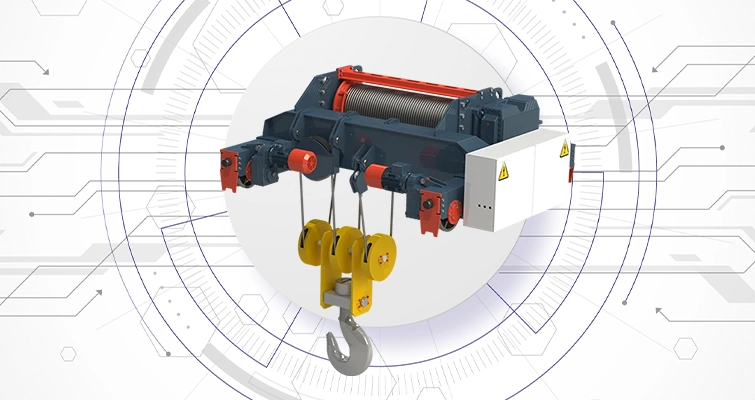
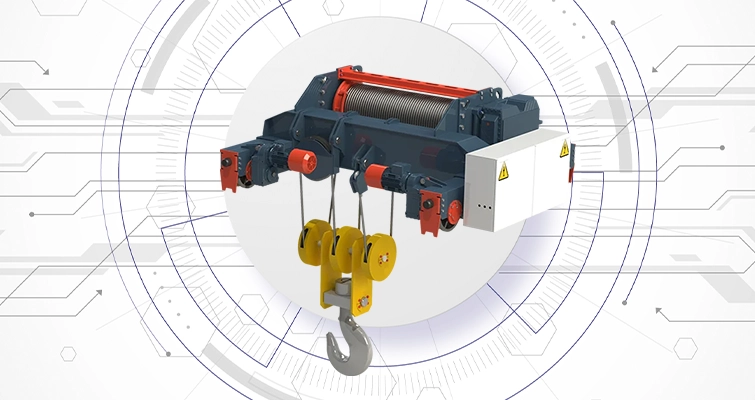
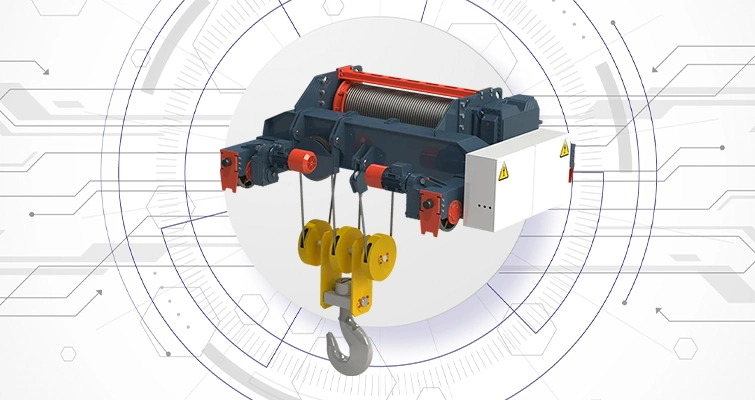
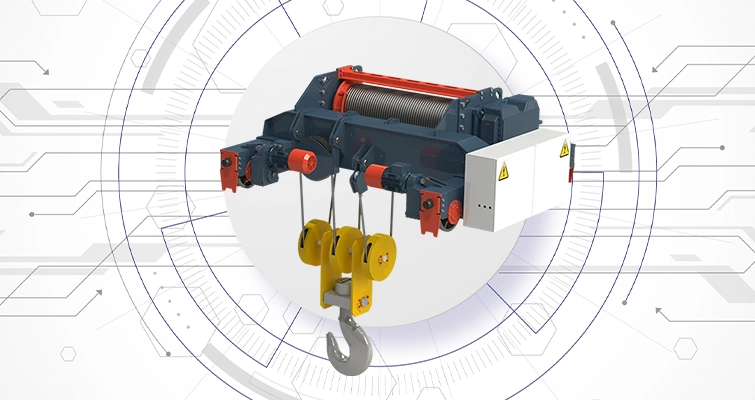
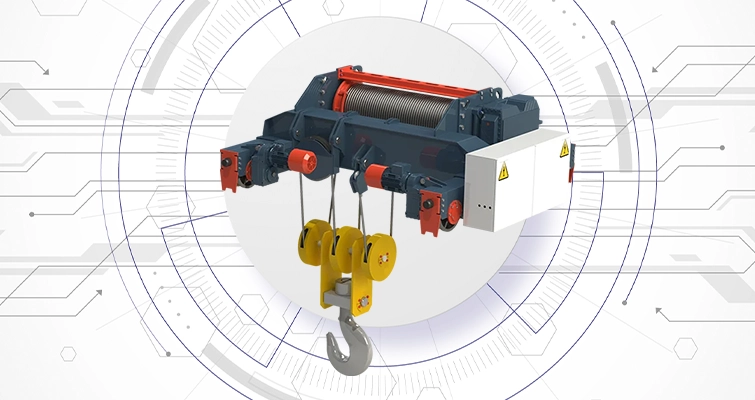
What Are Overhead Cranes, Monorail Cranes, and Ceiling Cranes? Types, Differences, and Selection Guide
What Are Overhead Cranes, Monorail Cranes, and Ceiling Cranes? Types, Differences, and Selection Guide
What Are Overhead Cranes, Monorail Cranes, and Ceiling Cranes?
Moving heavy materials safely and efficiently is an essential part of industrial production. Factories, workshops, warehouses, and assembly lines rely on suitable lifting systems to transport materials and components between workstations, organize material flow, and support production efficiency.
Overhead cranes, monorail cranes, and ceiling cranes are industrial lifting solutions designed for different material-handling requirements. Although they serve similar purposes, they differ in movement mechanisms, travel paths, installation methods, and applications.
Overhead bridge cranes typically move loads across a large working area. Monorail cranes transport loads along a defined track. The term ceiling crane is often used in industrial contexts to describe overhead lifting systems, although the exact configuration depends on the bridge, runway, supporting structure, and travel mechanism.
Choosing the right system requires more than knowing the load weight. Facility layout, travel routes, lifting height, structural conditions, and production requirements must also be considered.
What Is an Overhead Crane?
An overhead crane is an industrial lifting system used to raise loads and move them horizontally within a designated working area. In an overhead bridge crane, the bridge travels along runway rails installed along the facility, while the hoist trolley moves across the bridge to reach different positions.
This configuration allows loads to be lifted and transported between multiple locations within the crane's operating area.
Key Features of Overhead Cranes
Suitable for moving loads across large working areas.
Combine lifting and horizontal travel mechanisms.
Available in single-girder and double-girder configurations.
Can be designed for different lifting capacities and spans.
May use pendant controls, radio remote controls, or suitable automation systems.
Commonly used in machinery manufacturing, metal fabrication, and heavy industry.
Lifting capacity, span, lifting height, travel speed, and duty classification should be determined according to the technical requirements of each application.
Where Are Overhead Cranes Used?
Overhead cranes are particularly useful in facilities where materials must be transported between different workstations.
Common applications include:
Machinery and metal manufacturing plants.
Steel fabrication facilities.
Automotive and component manufacturing plants.
Heavy industrial facilities.
Equipment maintenance and assembly workshops.
Production and logistics centers.
For example, an appropriately designed overhead bridge crane can move a heavy machine component from an assembly area to a maintenance station inside a factory.
What Is a Monorail Crane?
A monorail crane is an industrial lifting system in which the hoisting mechanism travels along a single rail or a specially designed track. It typically consists of a manual or electric hoist and a trolley or travel mechanism that moves the load along the track.
Unlike overhead bridge cranes, monorail systems generally focus on transporting loads along a defined route. This makes them suitable for production processes in which materials repeatedly move between specific workstations.
Key Features of Monorail Crane Systems
Transport loads along a defined route.
Can be designed around the layout of a production line.
May be integrated into existing manufacturing processes when site conditions allow.
Can help reduce the need for floor-level material transportation.
Support efficient use of available workspace.
Can be configured with different hoisting mechanisms and control options.
The monorail track and supporting structure must be engineered for the expected loads and operating conditions. Track selection should not be based on load weight alone. Supporting structures, connections, moving components, and dynamic forces must also be considered.
Where Are Monorail Cranes Used?
Monorail cranes are useful in facilities where materials need to move repeatedly along a specific route.
Typical applications include:
Assembly lines.
Production stations.
Machinery manufacturing plants.
Painting and surface-treatment lines.
Material transfer and storage areas.
Processes requiring repeated movement between designated workstations.
For example, if a component must move regularly from one production station to the next, a monorail crane may provide an effective solution for the facility's layout.
What Is a Ceiling Crane?
The term ceiling crane is used to describe lifting systems installed at an elevated level within an industrial facility, allowing loads to be lifted and transported without relying entirely on floor-level handling equipment.
In many industrial applications, the term is associated with overhead bridge cranes. However, the exact equipment type should be identified by examining the bridge configuration, runway arrangement, hoist trolley, supporting structure, and travel mechanisms.
Ceiling-mounted or overhead lifting systems can be designed to suit a facility's physical structure and production needs. When the building and installation conditions are appropriate, these systems can help keep floor space available for production, storage, and other operations.
Key Features of Industrial Ceiling Cranes
Allow loads to be transported from an elevated position.
Help organize material movement within a facility.
Can be used in production and assembly areas.
Are available in different capacities and spans.
Can be adapted to existing facility layouts when structural requirements are met.
May combine lifting and horizontal transportation functions.
When selecting a ceiling crane, consider the building's supporting structure, runway layout, operating height, hook approach distances, and maintenance access.
Overhead Crane vs. Monorail Crane: What Is the Difference?
The main difference between an overhead crane and a monorail crane is the working area and the route along which the load travels.
| Comparison factor | Overhead bridge crane | Monorail crane |
|---|---|---|
| Travel area | Large working area | Defined track or route |
| Travel arrangement | Moving bridge with a hoist trolley | Hoist mechanism traveling along a rail |
| Main purpose | Moving loads between different positions | Transferring loads along a specific route |
| Facility requirements | Suitable bridge and runway support | Suitable monorail track and supporting structure |
| Typical applications | Factories, maintenance workshops, heavy industry | Assembly lines, production lines, station-to-station transfers |
Which system is better? An overhead bridge crane may be more suitable when loads must travel between multiple positions across a broad area. A monorail crane may be a better fit when transportation follows a defined route. The final selection should be based on an engineering assessment of the facility and its operating requirements.
Are Overhead Cranes and Ceiling Cranes the Same?
In many industrial contexts, the term ceiling crane is used to refer to overhead bridge cranes. However, terminology may vary between suppliers, industries, and technical applications.
For this reason, equipment should not be selected based on its name alone. The bridge configuration, runway location, trolley movement, supporting structure, and installation method should be reviewed.
When discussing a crane project with a manufacturer, provide the following information:
Maximum load weight.
Required lifting height.
Crane span and working area.
Load travel route.
Daily operating hours and usage intensity.
Existing building structure and support conditions.
Required control and operating features.
These details help determine which crane configuration is appropriate for the application.
How to Choose the Right Industrial Crane
When selecting an overhead crane, monorail crane, or ceiling crane, evaluate both current and future material-handling requirements.
1. Load Capacity
The crane must be designed to lift the intended loads within its specified operating limits. Consider the heaviest expected load rather than relying only on average load weight.
2. Lifting Height
Determine how high the load must be lifted and the highest and lowest positions the hook needs to reach during operation.
3. Working Area and Travel Route
Establish whether loads need to move along a single route or between multiple locations across the facility. This is one of the most important factors when choosing between a monorail crane and an overhead bridge crane.
4. Building Structure
The suitability of the building structure for the runway rails and supporting components must be verified. An engineering assessment of structural supports and connection points may be required before installation.
5. Operating Frequency
Determine how many lifting cycles the crane will perform, how quickly it needs to move, and how long it will operate under load. These details help guide the selection of the hoisting and travel mechanisms.
6. Controls and Safety Equipment
Evaluate the control system, travel limit switches, brakes, and other safety components appropriate for the application. Requirements depend on the crane type and applicable regulations.
7. Maintenance and Service Requirements
Spare-parts availability, access for maintenance, and periodic inspection requirements should also be considered because they affect long-term operating costs.
Overhead Crane Manufacturing in Konya, Türkiye
Konya is an important industrial center in Türkiye, with activities in machinery manufacturing, metalworking, and industrial production. Businesses in these sectors need lifting systems that match their load capacities, working areas, and production workflows.
Companies searching for overhead crane manufacturing in Konya, monorail crane systems in Türkiye, or industrial ceiling cranes should begin by defining their technical requirements.
Visit the Eser Vinç website to explore available product information and industrial lifting solutions, including overhead bridge cranes and related crane systems.
When planning a crane project, load capacity, crane span, lifting height, operating frequency, and the facility's structural conditions should be assessed together. This approach helps identify a system that meets the facility's actual operational needs.
Frequently Asked Questions About Overhead, Monorail, and Ceiling Cranes
What is an overhead crane, and what is it used for?
An overhead crane is an industrial lifting system used to raise and move loads horizontally. In an overhead bridge crane, the bridge travels along runway rails while the hoist trolley moves across the bridge, providing access to a broad working area.
What is a monorail crane?
A monorail crane is a lifting system in which the hoisting mechanism travels along a single rail or defined track. It is commonly used in production lines and processes that require repeated transportation along a specific route.
What is the difference between a ceiling crane and an overhead bridge crane?
The term ceiling crane is often used to describe overhead bridge cranes. However, the exact technical specifications depend on the actual bridge design, runway arrangement, and supporting structure.
Should I choose an overhead crane or a monorail crane?
An overhead bridge crane may be appropriate for transporting loads between multiple positions across a large working area. A monorail crane may be better suited to applications with a defined travel route. The best choice depends on facility layout and material-handling requirements.
How is the capacity of an overhead crane determined?
Crane capacity is determined by the heaviest expected load and the technical requirements of the application. The hoisting mechanism, bridge, runway rails, and supporting structure must be designed to meet the relevant load and operating requirements.
Which industries use monorail cranes?
Monorail cranes can be used in machinery manufacturing, assembly lines, serial production, surface-treatment facilities, and industrial operations that require material transportation along defined routes.
What information is needed to select an industrial crane?
The essential information includes load weight, lifting height, working area, travel route, operating frequency, building structure, and required control features.
Conclusion: Choose the Right Industrial Lifting System
Overhead cranes, monorail cranes, and ceiling cranes offer different solutions for industrial material handling. Overhead bridge cranes are suitable for broad working areas, monorail cranes are designed for defined travel routes, and overhead lifting systems can be adapted to facilities that meet the relevant structural and operating requirements.
Selecting the right system requires a combined assessment of load capacity, lifting height, travel area, operating frequency, and facility structure.
Explore the industrial crane solutions offered by Eser Vinç to learn more about systems that may suit your production and material-handling requirements.
SEO, GEO, and AEO recommendations before publishing
Image ALT text: Overhead bridge crane, monorail crane, and industrial ceiling crane systems
Image filename:
gezer-vinc-monoray-vinc-tavan-vinci.webpInternal links: Link naturally to the existing overhead bridge crane, gantry crane, hoisting equipment, and project pages on the Eser Vinç website.
GEO optimization: Use Konya and Türkiye alongside accurate, verifiable company information and actual service areas.
AEO optimization: Keep the FAQ section and provide concise, direct, technically accurate answers.
Multilingual SEO: Use a dedicated URL for the English page and configure appropriate
hreflangtags to connect the Turkish, English, and Arabic versions.
Before publishing: Compare this draft with Eser Vinç's existing blog archive to check for overlapping topics. Also verify the site's actual URL structure before adopting the suggested URL.