




WHAT IS AN OVERHEAD CRANE?
Powerful and Safe Lifting Systems for Industrial Facilities
What is an Overhead Crane?
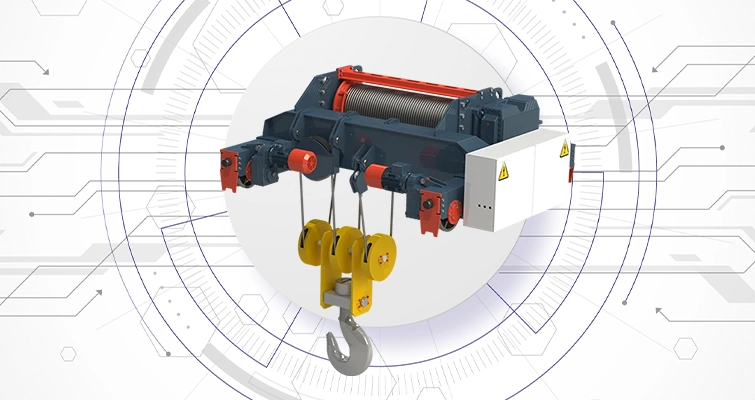
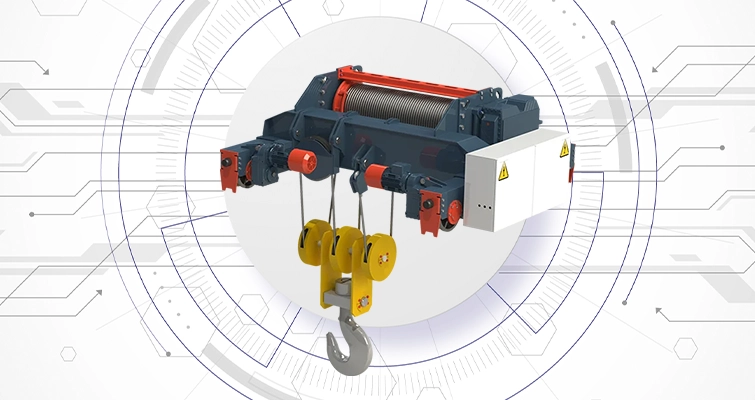
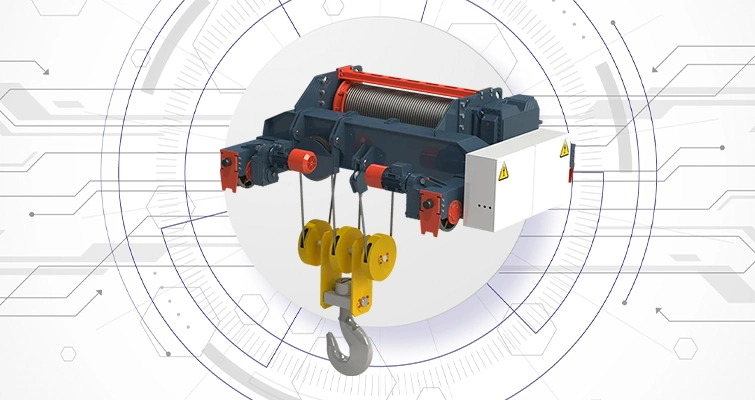
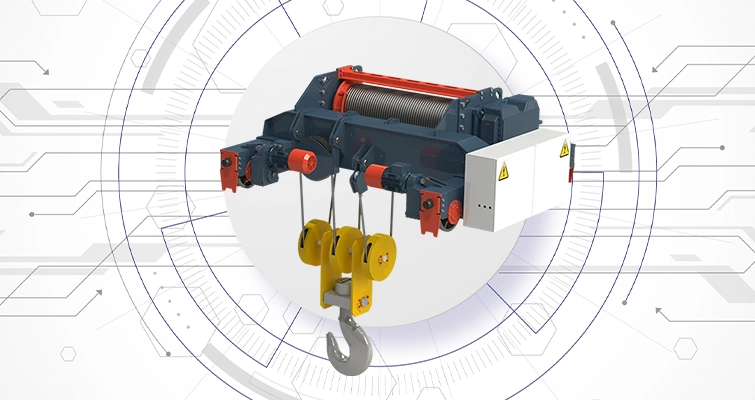
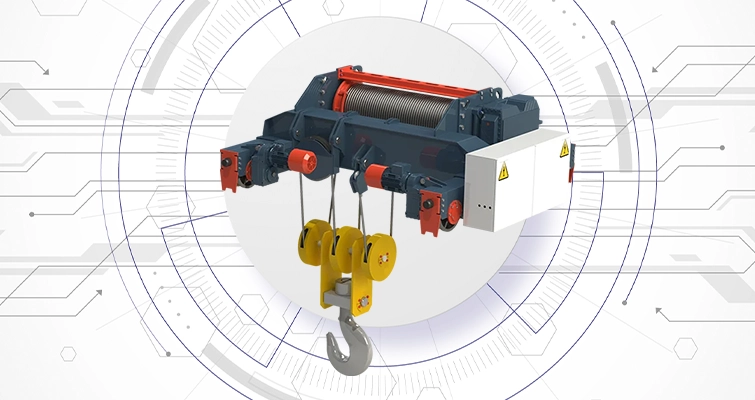
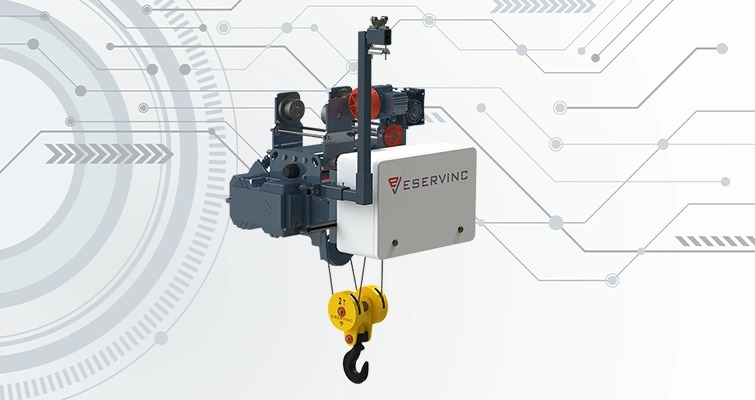
An overhead crane is a crane system that operates on a rail system mounted on the superstructure columns of industrial facilities and safely lifts and transports heavy loads. It is often also called a traveling bridge crane.
Overhead cranes are used in:
In-factory load handling
In production lines
In storage areas
In steel and machine manufacturing facilities
It is one of the most critical pieces of equipment in industrial facilities.
How Does an Overhead Crane Work?
An overhead crane has a three-axis movement principle:
The bridge moves back and forth on the rail
The crumple zone moves left and right on the bridge
The hook lifts up and down
Thanks to this system, the load can be transported to any point within the facility.
Types of Overhead Cranes
Single Girder Overhead Crane
Generally preferred for capacities between 1 ton and 10 tons.
Advantages:
✔ Economical investment
✔ Suitable for light industry
✔ Lower steel cost
Double Girder Overhead Crane
Used for capacities of 10 tons and above.
Advantages:
✔ Higher lifting capacity
✔ Wider span
✔ Greater lifting height
✔ Heavy-duty class
Standard in 20-ton, 32-ton and 50-ton applications.
Heavy Duty (Process) Overhead Crane
Designed for facilities with continuous production.
FEM 3m – FEM 4m
24/7 operation
Powerful motor and gearbox
Overhead Crane Technical Specifications
Lifting Capacity
Can be designed between 1 ton – 100 tons.
Most preferred capacities:
5-ton overhead crane
10-ton overhead crane
20-ton overhead crane
50-ton overhead crane
Span
10 meters – 40 meters
Steel construction costs increase with span.
Lifting Height
6 meters – 20 meters
The rope system gets bigger as the height increases.
Operating Class (FEM)
FEM 1m → Light use
FEM 2m → Medium intensity
FEM 3m → Heavy industry
FEM 4m → Continuous heavy duty
Lifting Group
Rope system
Double brake motor
Overload sensor
Drum guide
Automation
Modern overhead cranes include:
✔ PLC control
✔ VFD speed drive
✔ Anti-sway system
✔ Digital load display
✔ Remote control
Factors Affecting Overhead Crane Prices
The price of an overhead crane is determined by the following factors:
Tonnage
Span
Lifting height
Single/double girder
FEM class
Automation level
Installation conditions
Therefore, the final price is determined after a site survey.
Things to Consider When Buying an Overhead Crane
Column carrying capacity
Rail alignment accuracy
Double braking system
Limit switch safety
Service network
Spare parts availability
Incorrect design can lead to production losses.
In Which Sectors Are Overhead Cranes Used?
Steel construction production
Machine manufacturing
Automotive sector
Energy facilities
Prefabricated concrete production
Defense industry
The overhead crane is the backbone of the production line.
Eser Crane Overhead Crane Solutions
Eser Crane:
✔ Production according to FEM standards
✔ Heavy-duty construction
✔ PLC + VFD automation
✔ Anti-sway technology
✔ Nationwide service network
✔ Strong production based in Konya
offers reliable solutions in overhead crane production.
Conclusion
Overhead crane systems are indispensable for safe and efficient load handling in industrial facilities. With proper engineering and quality production, they operate trouble-free for many years.
Eser Crane is one of the industry's strong solution partners in heavy-duty overhead crane production.